What Is Alpha-Gal Syndrome?
How a tick bite can lead to a food allergy, why the symptoms often show up hours after a meal, and what treatment looks like day to day.

A hamburger at dinner can seem unrelated to hives that wake you up at midnight. So can a bowl of beef-broth soup and severe stomach cramps several hours later. With alpha-gal syndrome, the delay between eating and feeling sick is one reason the allergy can be hard to recognize. People may have eaten the same foods for years before their first reaction. 1, 2, 3
Alpha-gal syndrome, often shortened to AGS, is an allergy to a sugar molecule found in most mammals. It can develop after certain tick bites. The name “red meat allergy” describes a common trigger, but people with AGS may also react to mammal-derived ingredients in foods or medical products. Reactions can be mild, severe, or life-threatening. 1, 2
How a tick bite can change what you can eat
The full name for alpha-gal is galactose-α-1,3-galactose. It is a small carbohydrate found on molecules in the tissues of most mammals. Some ticks carry alpha-gal in their saliva. After a bite, a person’s immune system can begin making antibodies called immunoglobulin E, or IgE, against alpha-gal. If that person later encounters alpha-gal in food or another product, those antibodies can help trigger an allergic reaction. 1, 3
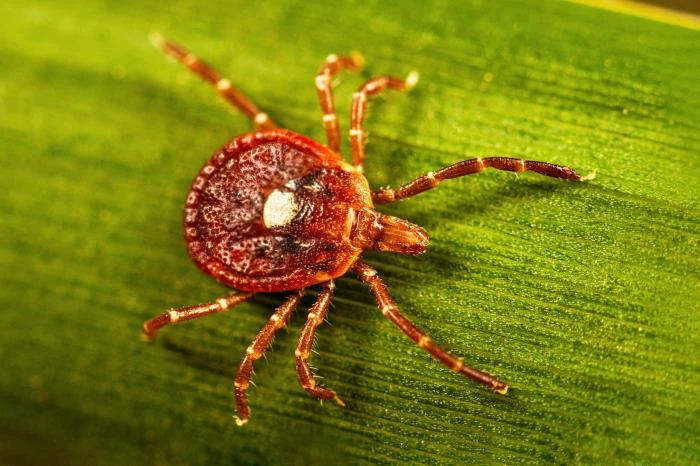
In the United States, the lone star tick is the species most often associated with AGS. A small number of U.S. cases have also been reported after bites from other tick species. Symptoms may first appear weeks or months after the bite. Some people remember a bite clearly. For others, time spent hunting, hiking, gardening, or working outdoors is the only clue they can offer. 1, 2, 5
Why symptoms may start hours later
After eating a food containing alpha-gal, symptoms usually begin about two to six hours later. Someone who felt fine after dinner might wake up itching or sick to their stomach. Timing can be different with certain injected or infused medical products, which can cause a much faster reaction. 2, 6
Researchers suspect that the way the body digests and absorbs fat helps explain the delay. Some alpha-gal molecules are attached to fats, which take time to make their way from the gut into circulation. This is a leading explanation, and researchers are still working out the details. 7
Some people get hives, itching, or swelling around the lips or eyes. Others have nausea, abdominal pain, vomiting, or diarrhea. Digestive symptoms can occur on their own, which can make the condition look like another gastrointestinal problem. Wheezing, trouble breathing, throat swelling, or a sudden drop in blood pressure can indicate a severe reaction. 2, 8
One meal may cause symptoms even when a similar meal seemed fine the week before. The ingredients, portion, and fat content can differ. Exercise, alcohol, or anti-inflammatory medicines such as ibuprofen can also affect how readily some people react. One uneventful meal is a poor guide to how the next exposure will go. 3, 6
How an allergist puts the clues together
Diagnosis starts with the pattern of symptoms. A clinician will ask what you ate or were exposed to, when symptoms started, whether they have happened before, and whether you spend time where ticks are common. The main blood test measures IgE antibodies specific to alpha-gal. A positive result shows that the immune system recognizes alpha-gal. Clinicians diagnose AGS when the test and the person’s reaction history fit together. Some people test positive and can still eat mammalian foods without symptoms. 5
If you are waiting for an appointment, write down meal times, ingredients or brand names, when symptoms began, and any tick bites you recall. Include what you ate earlier in the day, since the last thing you consumed may have little to do with the reaction. Mention exercise, alcohol, or medication use around the episode if relevant. When an oral food challenge is appropriate, an allergist can decide how to supervise it. Deliberately trying a suspected trigger at home can lead to a serious delayed reaction. 3, 5, 6
How alpha-gal syndrome is treated
A cure for AGS has yet to be established. Treatment centers on identifying and avoiding exposures that cause reactions, preparing for an emergency, and preventing additional tick bites. Most people with diagnosed AGS are advised to avoid mammalian meat such as beef, pork, lamb, venison, and rabbit. An allergist can help determine whether dairy, gelatin, or other mammal-derived products also need to be limited. Many people with AGS tolerate dairy. A person who continues to react after avoiding mammalian meat may need help reviewing what else is in their diet. 9, 10, 11
Epinephrine is the first treatment for anaphylaxis. A clinician may prescribe an auto-injector or an epinephrine nasal spray and teach you when and how to use it. A written emergency plan gives you and the people around you specific instructions about what to watch for, when to give epinephrine, and how to get help. Keep the prescribed medication where you can reach it quickly and show the people you spend time with where you keep it. 2, 4, 9
What changes at the grocery store, in the kitchen, and at the pharmacy
A familiar dish can contain a source of alpha-gal that is easy to miss. Vegetables may be cooked in bacon fat, soup may start with beef stock, and fries may be cooked in tallow. When you eat out, ask what oil or fat is used and whether the dish contains meat stock, gravy, or gelatin. Depending on your reactions, ask about a shared fryer or cooking surface too. At the grocery store, read the full ingredient list. The “Contains” line can help flag milk. Finding other mammal-derived ingredients usually takes a closer look at the full list. 10, 12
Plain poultry, fish, eggs, vegetables, and legumes are naturally free of alpha-gal. Preparation and other allergies still matter. A simple starting point at home might be lemon chicken, rice, and vegetables roasted in olive oil, or a chickpea stew made with vegetable stock. If you are cutting out several familiar foods, a registered dietitian who understands food allergies can help you plan meals around what you tolerate. 3, 10

Bring up AGS before a new prescription, vaccine, infusion, or medical procedure. Some gelatin capsules, drugs such as heparin or cetuximab, and certain medical materials can contain mammal-derived components. Risk depends on the specific product, how it is given, and your reaction history. Ask your prescriber or pharmacist to check the exact formulation. Keep taking prescribed medicines unless your care team advises a change. For planned surgery or an infusion, tell the team in advance so they have time to check the products they expect to use. 9, 10, 11
Preventing another bite and knowing what to expect
Another tick bite can raise alpha-gal IgE levels or bring back reactions that had settled down. When you spend time in wooded, brushy, or grassy areas, use an EPA-registered repellent as directed. Wear long pants and consider using clothing and gear treated with permethrin according to the label. After coming inside, check your body, clothes, gear, and pets. A shower soon after outdoor activity is a good opportunity to check areas that are easy to miss, including the scalp, waistband, and backs of the knees. 9, 13
If you find an attached tick, remove it promptly. Use clean, fine-tipped tweezers to grip close to the skin, then pull away with steady pressure. Clean the bite area and your hands afterward. If you develop a rash or fever in the following days or weeks, tell a clinician about the bite. 14
Some people become less sensitive over time, especially if they avoid further tick bites. Others continue to react. An allergist can look at how long you have been free of reactions, whether you have had new bites, and what repeat testing shows before discussing whether a food could be reintroduced. Until then, the most practical plan is one that fits your own history and gives you clear instructions for meals, medical appointments, and emergencies. 6, 9, 11
Sources
- CDC. About Alpha-gal Syndrome
- CDC. Symptoms of Alpha-gal Syndrome
- Scott P. Commins. Diagnosis and management of alpha-gal syndrome: lessons from 2,500 patients
- American Academy of Allergy, Asthma & Immunology. Anaphylaxis Emergency Action Plan
- CDC. Clinical Diagnosis and Testing
- Thomas A. E. Platts-Mills and colleagues. Diagnosis and Management of Patients with the α-Gal Syndrome
- Review in Allergy. Tick bites, IgE, and the alpha-gal syndrome
- American Gastroenterological Association. Clinical Practice Update on Alpha-Gal Syndrome for the GI Clinician
- CDC. Managing Alpha-gal Syndrome
- CDC. Fast Facts: Products That May Contain Alpha-gal
- American Academy of Dermatology. Alpha-gal syndrome and what dermatologists need to know
- Akira A. Shishido and Gary P. Wormser. A Review of Alpha-Gal Syndrome for the Infectious Diseases Practitioner
- CDC. Preventing Tick Bites
- CDC. What to Do After a Tick Bite
This article is for general education. An allergist or other qualified healthcare professional can help you make a care plan based on your symptoms and medical history.